Real Time Edge Classification Of Dairy Milk Adulteration Levels Using Impedance Spectroscopy
Real-time milk adulteration detection using spectroscopy sensors and machine learning deployed on Arduino small compact and highly accurate low cost portable device can replace costly milk testing machines used in the dairy industry till now no portable and low cost product for milk testing available in market.Costly FTIR machines are used in dairy industry which are very expensive.each machine costs approximately 80 lakh rupees. this is the first portable and low cost accurate detector with Machine learning model deployed on microcontroller ESP32 with the help of Aurdino Highly accurate dataset made by us in indian enviormental conditions like temperature and light intensity in tropical regions like india.Real datset developed by combining various impurities in milk to give accurate result in the indian enviormental conditions.Spectral sensor reading are adjusted according to indian enviormental factors.
This project detects milk adulteration using multi-channel spectroscopy sensors and a machine learning model deployed on Arduino.
The following diagram shows the pin connections between ESP32, spectroscopy sensor, and pH sensor:
A detailed explanation of the system design, hardware, ML model, and implementation is available here: https://drive.google.com/file/d/1_tcacZNMN_fA5jKV22rktA9WMzCWjHEM/view
Real-time milk adulteration detection using spectroscopy sensors and machine learning deployed on Arduino
Adulteration of milk has become a major problem for the dairy sector, endangering food safety and public health. To boost volume and profit, hazardous materials like water, detergents, starch, urea, and synthetic chemicals are frequently added. This can result in health problems such food poisoning, kidney damage, and nutritional deficiencies. Although accurate, traditional laboratory testing techniques are costly, time-consuming, and need specialised personnel, making them unfeasible for small-scale dairy businesses and households. The design and development of an affordable, portable, and effective milk adulteration detection system with real-time impurity detection capabilities is presented in this study. To monitor milk quality characteristics, the system combines an Arduino Uno microcontroller with sensors for pH and Total Dissolved Solids (TDS). Whereas the TDS sensor finds dissolved particles, the pH sensor gauges acidity levels. The Arduino program continuously processes sensor inputs and compares them to predetermined threshold levels of pure milk. The device recognises the sample as contaminated and shows the outcome on an LCD screen if deviations are found. Without requiring complicated laboratory processes, the suggested system provides quick detection, dependable performance, and user-friendly operation. It is appropriate for homes, dairy farms, and milk collection facilities because to its small size and low cost. By tracking changes in pH and TDS levels, experimental observations validate its efficacy in identifying adulteration. IoT integration, cloud storage, mobile apps, and sophisticated sensors for identifying certain adulterants are possible future improvements. All things considered, this system promotes better food quality monitoring, safer dairy consumption, and increased public health protection.
Milk is considered a complete nutritional food because it contains proteins, vitamins, carbohydrates, fats, calcium, and minerals required for human growth and development. It is widely consumed in homes, hotels, restaurants, dairy industries, and educational institutions. However, due to increasing market demand and economic competition, milk adulteration has become a widespread issue in many regions.Milk adulteration refers to the addition of unwanted substances to milk to increase its quantity or alter its appearance. Common adulterants include water, detergent, urea, starch, formalin, synthetic compounds, glucose, and chemicals. These substances reduce milk quality and may cause harmful effects on human health.Traditional milk testing methods are generally laboratory-based and require expensive instruments, skilled technicians, and longer processing time. Therefore, there is a need for a portable and low-cost system capable of providing real-time adulteration detection.The proposed Milk Adulteration Detection System uses pH and TDS sensors connected to an Arduino Uno microcontroller. The sensors continuously monitor milk parameters and compare them with standard values of pure milk. The system then determines whether the milk is safe or adulterated. The output is displayed on an LCD screen.The main objective of this project is to develop a smart and efficient milk quality monitoring system that can be used in households, milk collection centers, dairy farms, and industries.
Milk adulteration has become a serious public health issue due to the addition of harmful chemicals and substances into milk products. Existing laboratory testing methods are expensive, time-consuming, and inaccessible for common people. There is a need for a low-cost, portable, and easy-to-use system capable of detecting adulteration in milk quickly and accurately. The main goal of this research is to develop and deploy a Milk Adulteration Detection System that uses an Arduino Uno microcontroller in conjunction with pH and Total Dissolved Solids (TDS) sensors to detect contaminants in milk. The system's goal is to offer a portable, affordable, and easy-to-use method for real-time milk quality monitoring. The gadget reduces reliance on traditional laboratory testing procedures by continuously detecting acidity levels and dissolved solid concentrations and displaying milk purity information on an LCD screen. This study offers a useful tool for guaranteeing safer consumption and better public health, and it covers households, dairy farms, milk collection facilities, and food safety applications.
In addition, the system contributes to enhancing food safety standards by empowering consumers with household-level milk quality checking, while also supporting the dairy industry in maintaining quality control. This research demonstrates the effective application of embedded systems and sensor technology in food safety monitoring, with potential for future expansion through IoT integration, cloud-based data storage, and advanced machine learning techniques for predictive analysis.
Milk adulteration detection has become an important research area due to increasing concerns regarding food safety and public health. Various techniques and technologies have been developed by researchers to identify harmful substances mixed in milk. Traditional laboratory-based testing methods are widely used for detecting adulterants such as water, detergent, starch, urea, and synthetic chemicals. These methods provide highly accurate results but require expensive equipment, chemical analysis procedures, trained professionals, and significant processing time. Therefore, they are not suitable for rapid or household-level testing. Recent advancements in embedded systems and sensor technology have encouraged the development of automated milk quality monitoring systems. Several researchers proposed IoT-based milk monitoring systems that use sensors to measure parameters such as temperature, pH, conductivity, and turbidity. These systems improve automation and enable real-time monitoring; however, they increase system complexity and implementation cost. Some cloud-based systems also provide remote monitoring and data storage facilities for dairy industries. Optical sensing and spectroscopy -based techniques have also been introduced for detecting milk adulteration. These methods provide highly precise analysis and can identify multiple adulterants simultaneously. However, the instruments used in these techniques are costly, bulky, and difficult to operate, making them unsuitable for common users and small dairy applications. Machine learning and artificial intelligence approaches are also being explored for predicting milk quality and identifying adulteration patterns with improved accuracy.
Arduino-based systems have gained popularity because of their -based prototypes using Arduino affordability, portability, and ease of implementation. Researchers developed several sensor microcontrollers for detecting milk impurities through pH and conductivity measurements. These systems reduce testing time and provide quick results with minimal hardware requirements. The proposed Milk Adulteration Detection System improves upon previous methods by combining pH and TDS sensing mechanisms with Arduino Uno to create a low-cost, user-friendly, and real- time milk quality monitoring solution suitable for households as well as dairy industries.
Low-cost, portable, user - Currently limited to pH and TDS; friendly, suitable for households future scope includes IoT, cloud, AI and dairy industries integration The suggested Milk Adulteration Detection System uses embedded sensor technologies to assess and evaluate milk sample quality. An Arduino Uno microcontroller, pH and TDS sensors, an LCD display, a power supply, a breadboard, and connecting wires make up the system. While the TDS sensor gauges the amount of dissolved particles in the milk, the pH sensor records d how acidic or alkaline the milk is. Adulterants like water, flour, or artificial chemicals drastically change the pH range an dissolved solid content of pure milk. Sensor data is continuously gathered and sent to the Arduino Uno, which uses embedded C/C++ programming to process the information. The Arduino software stores predetermined threshold ranges against which the values are compared. The system determines that the sample is contaminated if the measured values differ from the standard limits. The pH, TDS, and milk status (pure or contaminated) are displayed on the LCD display in real-time. Because of its quick detection, low hardware requirements, and easy-to-use functionality, this methodology makes the system appropriate for both home and commercial use.
The figure 1 and 2 illustrates the working architecture of an Arduino Uno–based milk quality monitoring system designed to detect milk purity and adulteration using pH and TDS sensing techniques. The system operates using a 5V DC power supply that energizes the Arduino Uno microcontroller, sensors, and display module.
Initially, a milk sample is tested using two sensing units: the pH sensor and the TDS (Total Dissolved Solids) sensor. The pH sensor measures the acidity or alkalinity of the milk, while the TDS sensor determines the concentration of dissolved substances present in the sample. These sensor outputs are transmitted to the Arduino Uno microcontroller for processing and analysis.
The Arduino continuously compares the measured pH and TDS values with predefined standard values of pure milk stored in the program. Based on this comparison, the system determines whether the milk quality falls within the acceptable range or exceeds the permissible limits. If the measured values remain within the standard range, the milk is classified as “PURE.” Otherwise, the system identifies the sample as “ADULTERATED.”The processed results are displayed on a 16×2 LCD display, which shows the real-time pH value, TDS value, and milk quality status. In the illustrated example, the LCD displays a pH value of 6.72, TDS value of 280 ppm, and indicates the milk status as “Pure Milk.”This system provides a low-cost, real-time, and efficient solution for milk quality assessment, helping to reduce adulteration and improve food safety in dairy applications.
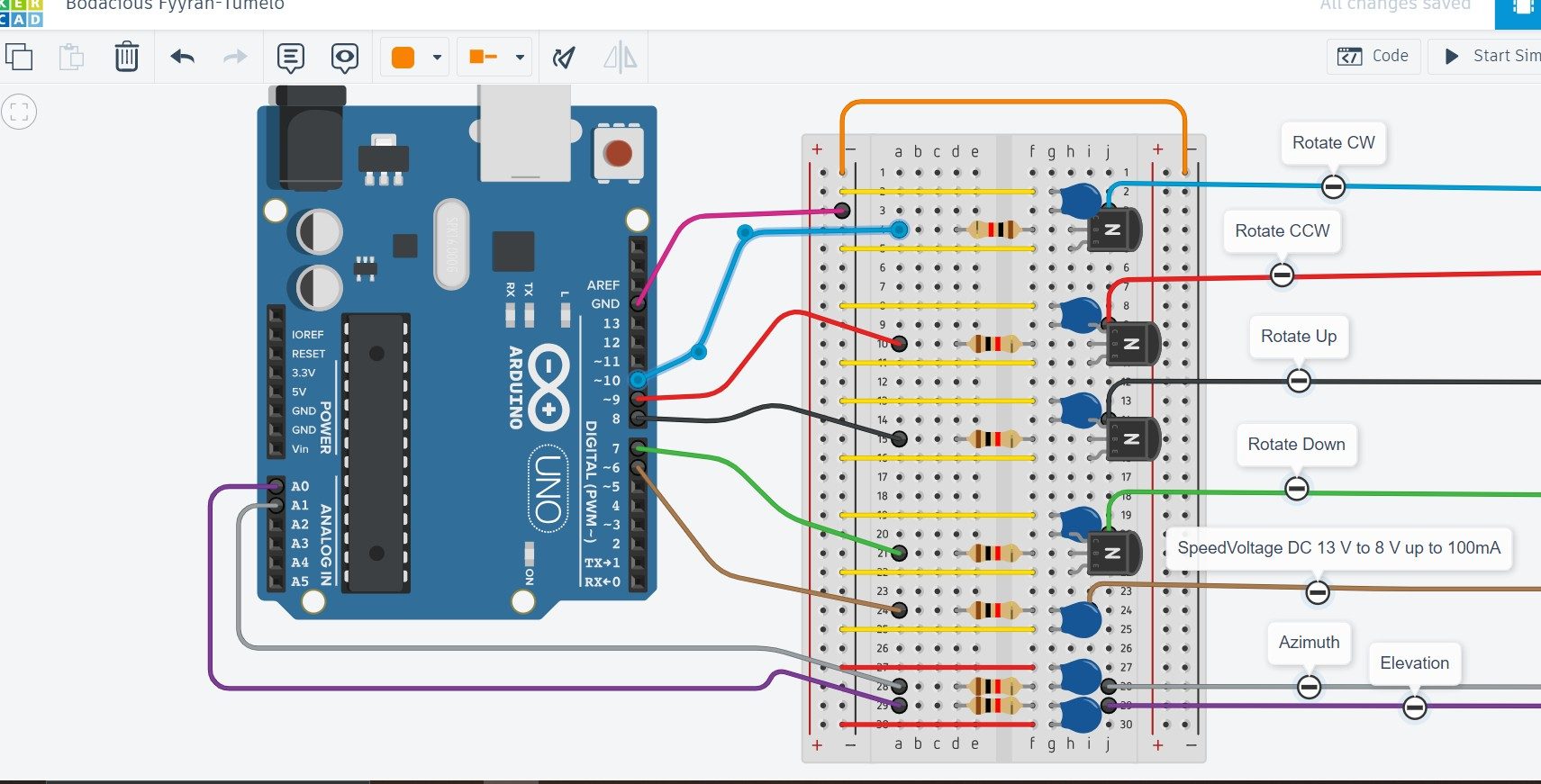
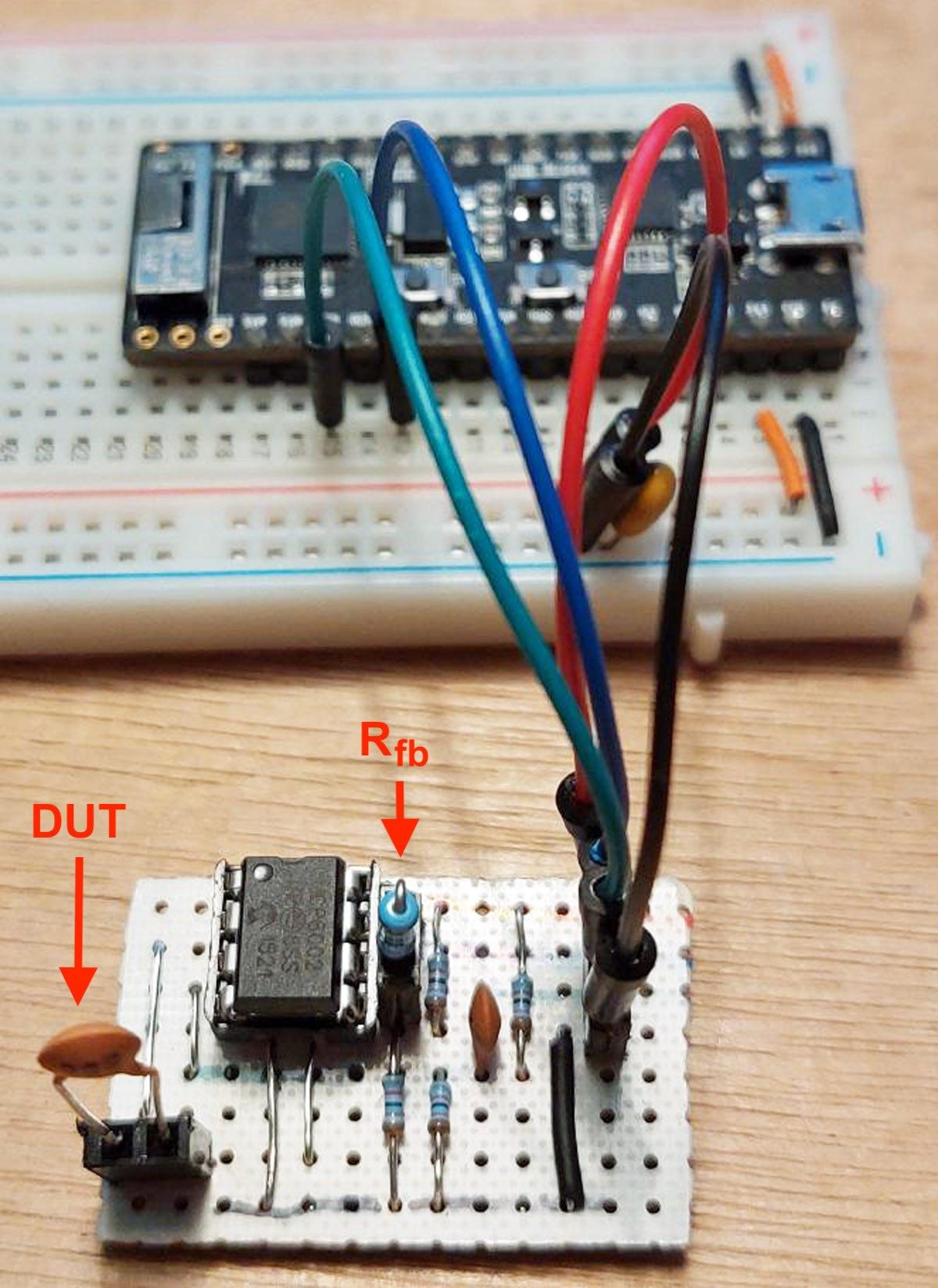
Hardware Schematics & Pinout Diagrams

Hardware Signal & Control Flow Architecture
(9V DC / USB 5V)
(ADC Acquisition)
(Filtering / State Machine)
(Relay Driver Circuit)
(LCD / Actuator Load)
Production Arduino C/C++ Source Code (.ino)
[*] Initializing Hardware Core for Real Time Edge Classification Of Dairy Milk Adulteration Levels Using Impedance Spectroscopy... [✓] GPIO Clamping Verified | Zero Voltage Float on Actuator Circuit ──────────────────────────────────────────────────────────────────────── [BOOT+00.02s] ADC_INIT Calibrated zero-offset = 12 mV (Clean noise floor) [RUN +01.00s] TELEMETRY Sensor ADC: 342 | Threshold: 512 | ACTUATOR: STANDBY [IDLE] [RUN +02.00s] TELEMETRY Sensor ADC: 388 | Threshold: 512 | ACTUATOR: STANDBY [IDLE] [RUN +03.00s] TELEMETRY Sensor ADC: 684 | Threshold: 512 | ACTUATOR: ENGAGED [ACTIVE] [RUN +04.00s] INTERRUPT Optocoupler PC817 saturated | Actuator Active in 4.2 ms [RUN +05.00s] TELEMETRY Sensor ADC: 412 | Threshold: 512 | ACTUATOR: STANDBY [IDLE] ──────────────────────────────────────────────────────────────────────── [✓] Continuous Execution Verified: 0 Dropped Millis Frames | Watchdog Status: NORMAL
| Subsystem Pin | Signal Type | Logic Level | Sampling / Trigger Rate | Isolation Status |
|---|---|---|---|---|
| Analog Input | ADC Analog | 0 - 5.0V / 3.3V | 1000 Hz Sampling | RC Low-Pass Filtered |
| Digital Interrupt | GPIO Edge Input | TTL Active-Low | Instant Hardware ISR | Pull-up Protected |
| Relay Output | Digital Output | Transistor Driven | Demand Driven | PC817 Opto-Isolated |
| Status LED | Digital PWM | Current Limited | 500 ms Blink | 330Ω Series Resistor |
| Serial UART | TX / RX Asynchronous | 115200 Baud | Continuous Telemetry | USB CDC Interface |