Groundwater Arsenic Field Detector Using Digital Electrochemical Stripping Analysis On Arduino
Arsenic is a carcinogenic groundwater contaminant that is toxic even at the parts-per-billion (ppb) level and its on-site determination remains challenging. Colorimetric test strips, though cheap and widely used, often fail to give reliable quantitative data. On the other hand, electrochemical detection is sensitive and accurate but considerably more expensive at the onset. Here, we present a study on arsenic detection in groundwater using a low-cost, open-source potentiostat based on Arduino technology. We tested different types of gold electrodes (screen-printed and microwire) with anodic stripping voltammetry (ASV), achieving low detection limits (0.7 μg L -1 ). In a study of arsenic contaminated groundwaters in Mexico, the microwire technique provides greater accuracy than test strips (reducing the median error from -50% to +2.9%) and greater precision (reducing uncertainties from ±25% to ±4.9%). Most importantly, the rate of false negatives versus the World Health Organisation’s 10 μg L -1 limit was reduced from 50% to 0% (N = 13 samples). Arsenic determination using open-source potentiostats may offer a low-cost option for research groups and NGOs wishing to perform arsenic analysis in-house, yielding superior quantitative data than the more widely used colorimetric test strips.
Citation: Bullen JC, Dworsky LN, Eikelboom M, Carriere M, Alvarez A, Salaün P (2022) Low-cost electrochemical detection of arsenic in the groundwater of Guanajuato state, central Mexico using an open-source potentiostat. PLoS ONE 17(1): e0262124. https://doi.org/10.1371/journal.pone.0262124
Editor: Abbas Farmany, Hamadan University of Medical Sciences, ISLAMIC REPUBLIC OF IRAN
Data Availability: All relevant data are within the manuscript and its Supporting Information files.
Funding: This work was funded with a Researcher Mobility Grant that JCB received from the Royal Society of Chemistry (grant number M19-8969, https://www.rsc.org/ ). The funders had no role in study design, data collection and analysis, decision to publish, or preparation of the manuscript.
Competing interests: The authors have declared that no competing interests exist.
Arsenic detection in surface water or groundwater using cheap and portable methods remains challenging, despite the urgent need to ensure access to arsenic-free water for exposed communities and to monitor drinking water treatments better [ 1 – 5 ]. Arsenic is a potent carcinogen and has been associated with skin lesions such as keratoses [ 6 ], fatal internal cancers [ 6 ], miscarriage [ 7 ], and damage to the gastrointestinal, cardiovascular, neurological, genitourinary, and respiratory systems [ 8 ]. Previous studies have linked drinking arsenic-contaminated water to increased mortality, for example 220 and 140 deaths per 100,000 people per year due to bladder cancer and liver cancer respectively in the age 50–69 demographic when exposed to drinking water with >60 μg L -1 As [ 9 ], and 60 deaths per 100,000 people per year due to lung cancer when exposed to >35 μg L -1 As [ 10 ]. Worldwide, 150 million people are believed to be impacted by arsenic-contaminated drinking water [ 11 ] and it is often poor and marginalised communities who are most at risk [ 12 ].
Arsenic contamination of groundwater is a major threat to public health in Mexico [ 13 ] with an estimated 9 million people drinking from sources that exceed the World Health Organisation’s 10 μg L -1 guideline limit for arsenic [ 14 ]. Groundwater concentrations as high as 400–700 μg L -1 have been reported (and up to 74 mg L -1 in geothermal wells) [ 15 ]. Studies have proposed both that arsenic is released into Mexico’s aquifers through the oxidation of pyrite and dissolution of scorodite [ 16 ] and through the geothermally-induced dissolution of silicate minerals, with increasing pH leading to the desorption of adsorbed arsenic [ 17 ]. Furthermore, arsenic is often found concurrently with harmful levels of fluoride (exceeding the WHO limit of 1.5 mg L -1 ) [ 14 ]. There is an urgent need to detect contaminated water sources and provide safe alternatives, given that in many aquifers arsenic concentrations are rapidly increasing due to exploitation and over-abstraction of aquifers for irrigation [ 17 ]. A recent study of the Upper Río Laja Watershed in the state of Guanajuato, Mexico, found that the number of wells exceeding the 10 μg L -1 limit recommended by the WHO doubled between 1999 and 2016 [ 17 ]. Similarly, in the city of Durango, arsenic concentrations increased by around 17% between 2012 and 2016 in the North East of the city, where industrial activity and population density create high demand for groundwater resources [ 18 ]. The Mexican federal limit for arsenic in drinking water is expected to decrease from 25 ug L -1 to 10 ug L -1 in the coming years (in line with the current Mexican standard for commercial bottled water), which will require more frequent water quality monitoring with improved quantification to detect water sources that fail to meet standards [ 14 ].
Whilst the WHO currently recommends a limit of 10 μg L -1 (or 0.13 micromolar) arsenic [ 19 ], local standards vary significantly across the world and are in part set according to the costs and accessibility of analytical techniques with low detection limits. For instance, the Bangladesh and Mexican governments have set national standards of 50 μg L -1 [ 20 ] and 25 μg L -1 [ 21 ] respectively, whilst water utility companies in the Netherlands now aim for just 1 μg L -1 [ 22 ]. Many countries are likely to reduce their legislated maximum contaminant levels (MCL) for arsenic in the coming years, given that even exposure to levels of arsenic between 0 and 10 μg L -1 may add 4.5 lung cancer cases per 100,000 people [ 23 ].
The accurate and reliable detection of arsenic contamination is an essential part of arsenic mitigation programmes worldwide: to identify contaminated sources and safer alternatives, and to monitor the effectiveness of arsenic treatment processes [ 24 – 28 ]. In the case of increasing arsenic contamination in Mexico and potentially more stringent guidelines in the future, analytical techniques are needed to detect and quantify arsenic with low detection limits at a low-cost. However, the options available currently fail to meet these requirements.
State-of-the art techniques such as inductively coupled plasma mass spectrometry (ICP-MS) provide accurate and precise data, with sub-ppb detection limits ( i . e . being able to detect less than one part per billion, or 1 μg L -1 ). However, these techniques have two major drawbacks. Firstly, the instrumentation is very expensive ($10 000s for atomic absorption spectroscopy (AAS) and $100 000 for ICP-MS), preventing in-house analysis by small organisations such as NGOs working in the water security sector. Such organisations often rely upon commercial analysis in private laboratories, paying high costs per sample (and potentially waiting weeks for the results). Secondly, the equipment is not portable: This is a limitation given that information on the groundwater arsenic speciation ( i . e . the distribution between As(III) and As(V)) can be rapidly lost on the minutes timescale owing to oxidation and precipitation once anoxic samples are pumped to the surface [ 29 ]. On-site analysis using portable techniques is also preferable for providing quick feedback, e . g . quickly identifying arsenic-contaminated sites and safer alternatives, troubleshooting problems in arsenic treatment systems, and facilitating community engagement and education.
In contrast to ICP-MS and AAS, colorimetric test strips, typically based on the Gutzeit reaction, offer on-site arsenic detection at low-cost [ 30 ]. Here, the application of reducing agents converts As(III) and As(V) to arsine (AsH 3 ) gas. Paper test strips coated with mercury bromide (HgBr) develop a yellow colour when exposed to this gas [ 31 ]. The intensity of the colour is normally compared against a calibration chart visually, providing quantitative results [ 27 ]. These field tests do not require much instrumentation (only the reaction vessel) and the test strips cost as little as half a dollar each [ 27 ]. Unfortunately, however, the results provided by these tests kits often correlates poorly with laboratory analysis, e . g . AAS [ 27 , 28 , 32 , 33 ]. Problems include slow As(V) reduction kinetics when using zinc a the reducing agent (a negative bias in the results) and the interference of hydrogen sulphide in reducing waters (a positive bias, with test strips developing a dark grey colour) [ 31 ]. Inaccurate results can lead to harmful conclusions: the term ‘false negative’ indicates where the concentration is incorrectly reported as being below the guideline limit, and previous studies in Bangladesh have found false negative rates as high as 68% when using commercial products to assign water samples to the 50–100 μg L -1 range [ 28 ], and false negative rates of 5% [ 24 ] and 11% [ 33 ] versus the WHO 10 μg L -1 limit. Consequently, several studies have suggested a need to reconsider the application of these commercial test kits for monitoring drinking water [ 27 ], with some organisations working in Mexico now reluctant to use these products [ 34 ].
Hardware Schematics & Pinout Diagrams
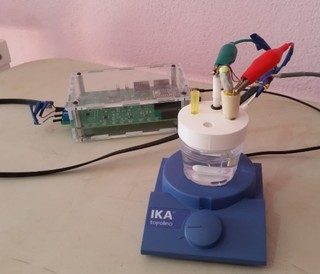
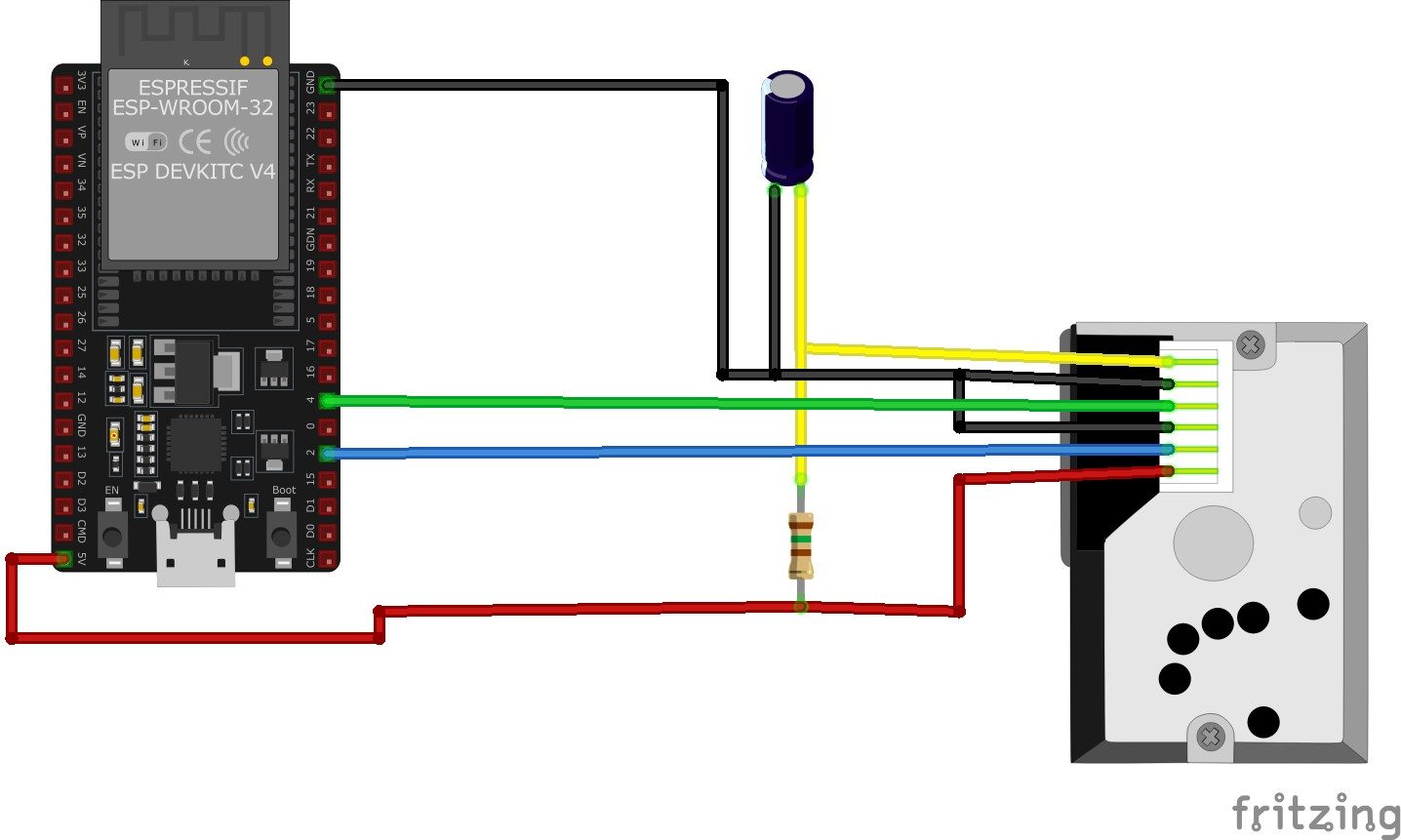
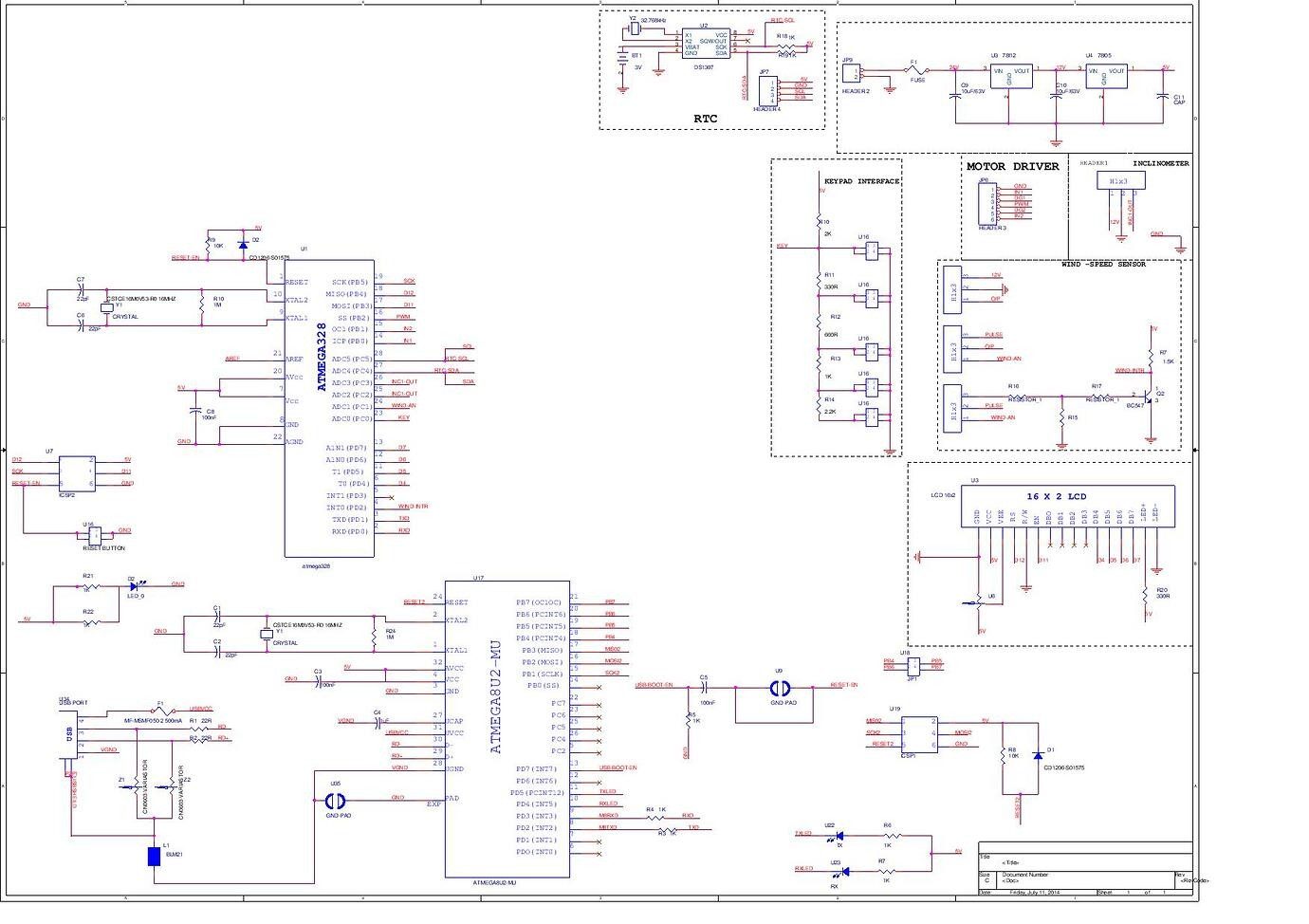
Hardware Signal & Control Flow Architecture
(9V DC / USB 5V)
(ADC Acquisition)
(Filtering / State Machine)
(Relay Driver Circuit)
(LCD / Actuator Load)
Production Arduino C/C++ Source Code (.ino)
[*] Initializing Hardware Core for Groundwater Arsenic Field Detector Using Digital Electrochemical Stripping Analysis On Arduino... [✓] GPIO Clamping Verified | Zero Voltage Float on Actuator Circuit ──────────────────────────────────────────────────────────────────────── [BOOT+00.02s] ADC_INIT Calibrated zero-offset = 12 mV (Clean noise floor) [RUN +01.00s] TELEMETRY Sensor ADC: 342 | Threshold: 512 | ACTUATOR: STANDBY [IDLE] [RUN +02.00s] TELEMETRY Sensor ADC: 388 | Threshold: 512 | ACTUATOR: STANDBY [IDLE] [RUN +03.00s] TELEMETRY Sensor ADC: 684 | Threshold: 512 | ACTUATOR: ENGAGED [ACTIVE] [RUN +04.00s] INTERRUPT Optocoupler PC817 saturated | Actuator Active in 4.2 ms [RUN +05.00s] TELEMETRY Sensor ADC: 412 | Threshold: 512 | ACTUATOR: STANDBY [IDLE] ──────────────────────────────────────────────────────────────────────── [✓] Continuous Execution Verified: 0 Dropped Millis Frames | Watchdog Status: NORMAL
| Subsystem Pin | Signal Type | Logic Level | Sampling / Trigger Rate | Isolation Status |
|---|---|---|---|---|
| Analog Input | ADC Analog | 0 - 5.0V / 3.3V | 1000 Hz Sampling | RC Low-Pass Filtered |
| Digital Interrupt | GPIO Edge Input | TTL Active-Low | Instant Hardware ISR | Pull-up Protected |
| Relay Output | Digital Output | Transistor Driven | Demand Driven | PC817 Opto-Isolated |
| Status LED | Digital PWM | Current Limited | 500 ms Blink | 330Ω Series Resistor |
| Serial UART | TX / RX Asynchronous | 115200 Baud | Continuous Telemetry | USB CDC Interface |