Automated Farm Animal Health Telemetry Collar With Rumination And Temperature Sensing
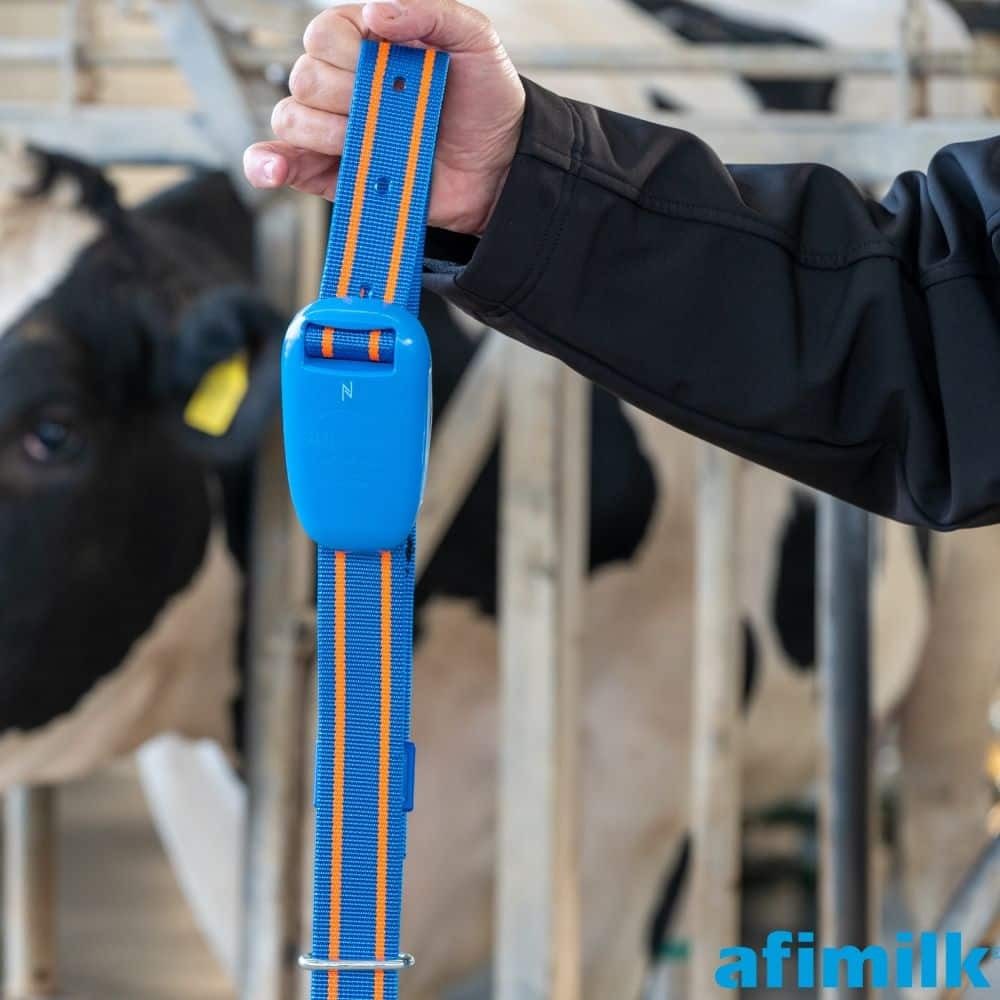
A collar that tracks a cow's activity, rumination and temperature to catch illness and heat before they cost you — reporting over LoRa across a whole farm on a battery that lasts a season.
A sick cow costs money in three ways: lost production, treatment, and — if missed too long — the animal itself. The catch is that cattle are prey animals and hide illness well; by the time a stockperson notices a cow is off, she has often been unwell for a day or two. Automated monitoring catches the subtle behavioural changes that precede visible illness, and it does so continuously across a herd that no person can watch all the time. This is a genuine and growing part of commercial dairy and beef farming.
The collar tracks three things that together reveal a cow's state. Activity from an accelerometer distinguishes lying, standing, walking and — importantly — the restlessness and increased walking of a cow in heat (oestrus), which is the single most valuable signal for a dairy farm because missing a heat means missing a breeding opportunity worth a great deal. Rumination — the rhythmic chewing of cud — is detected from the jaw movement and is one of the earliest and most reliable indicators of health: a cow that ruminates less is very often becoming ill before any other sign appears. Temperature flags fever and, at the herd level, heat stress.
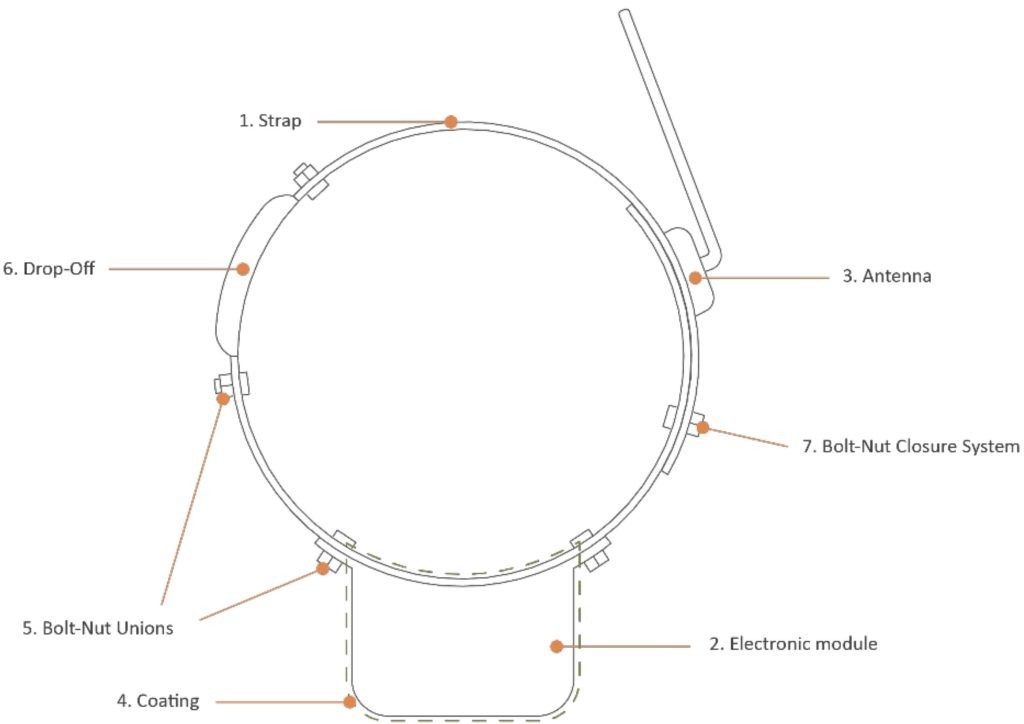
The engineering challenge is doing this on a device that must survive on a large animal, in the weather, for a whole season without a battery change, and report from a field with no infrastructure. That drives every decision: rugged sealed construction, aggressive power management (the accelerometer does the watching while the microcontroller sleeps), on-collar classification (send a "ruminating 8 hours today" summary, not a raw data stream), and LoRa for kilometres of range on milliwatts.
The honest framing is that this is a screening and alerting tool that flags animals worth a closer look, not a diagnostic device. A drop in rumination says "check this cow", not "this cow has mastitis". Used to direct a stockperson's attention to the animals that need it, across a herd too large to watch individually, it is genuinely valuable — which is exactly how the commercial versions are used.
Summed typical draw is 2425.4 mA . With a 1.5× design margin the supply should deliver at least 3700 mA continuously at the stated rail voltage.
A cow's behaviour is remarkably legible from accelerometer data on the neck, because the different activities produce distinct motion signatures. Lying is low motion in a characteristic orientation. Standing is low motion, different orientation. Walking is rhythmic whole-body motion at the stride frequency. Grazing combines head-down orientation with the repetitive sweeping and tearing motion of biting. And rumination — chewing cud — is a very regular, rhythmic jaw motion at roughly one chew per second, in a distinctive pattern of chewing bouts separated by boluses. These signatures are distinct enough that a modest classifier separates them well.
Rumination is the crown jewel of the health signal , and understanding why is worth it. Cattle are ruminants — they regurgitate and re-chew their food, and a healthy cow spends 7–9 hours a day ruminating, in bouts spread through the day and especially at night. Rumination is tightly coupled to digestive health and overall wellbeing, and it responds early and reliably to almost anything wrong: a cow developing mastitis, a metabolic disorder, an infection, or even significant stress reduces her rumination time before she shows any outward sign of illness. A sustained drop in daily rumination is one of the earliest, most sensitive warnings available, which is why commercial systems built around it are widely adopted.
Oestrus (heat) detection is the highest-value output for a dairy farm. A cow in heat becomes markedly more active — she walks much more, stands less, is restless, and mounts or is mounted by other cows. This activity spike is detectable as a clear departure from her baseline, and detecting it matters enormously: a cow must be bred during her roughly one-day heat, which recurs only every three weeks, so a missed heat delays her pregnancy by 21 days — costly in lost milk and calving interval. Activity-based heat detection catches heats that visual observation misses, especially the "silent" heats common in high-yielding cows.
The classification must run on the collar , for a decisive reason: power and bandwidth. Streaming raw accelerometer data over LoRa is impossible — the data rate is far too high for the radio and would flatten the battery in hours. Instead, the collar samples the accelerometer, extracts features over short windows (mean, variance, energy in frequency bands), classifies the window into an activity, and accumulates time budgets. At the end of the day it sends a tiny summary — "ruminated 7.2 h, walked 2.1 h, lay 11 h, oestrus flag: no" — which is a few dozen bytes. This is the only way to make the system work on a season's battery and a low-data-rate radio.
Alerts are relative to each animal's own baseline . Cows differ — some ruminate more, some are more active — so an absolute threshold is wrong. The collar learns each cow's normal daily budget over a couple of weeks, and flags deviations : a rumination time well below her own recent average, or an activity spike well above it. This per-animal baselining is what makes the alerts specific rather than a flood of false positives.
The power architecture is what makes it deployable. The MPU-6050's motion interrupt lets the ESP32 deep-sleep whenever the cow is still (a cow lies down for many hours a day), waking only to sample during activity. Classification runs in brief bursts. The radio transmits once a day. Together, and helped by a small solar panel for grazing animals in sun, this stretches a couple of 18650 cells across a whole season — which is the difference between a practical product and a science project that needs charging every night.
The classifier here is a transparent decision tree on hand-crafted features, which is a reasonable starting point and easy to reason about. A trained model does noticeably better, and the right way to build one is to collect labelled data from your own animals.
Collect accelerometer windows while observing and labelling the animal's behaviour (lying, standing, walking, grazing, ruminating) — a few hours of labelled observation per behaviour is enough for a small model. Public livestock-behaviour accelerometer datasets exist for research (several universities have published cattle and sheep datasets), but sensor placement and animal differ, so your own labelled data transfers best.
Extract the same features (variance, dominant frequency, orientation, signal magnitude area) and train a small decision tree or random forest — these are interpretable, run in kilobytes on the collar, and outperform hand-tuned thresholds. Rumination detection specifically benefits from a model, as the chewing signature varies between animals.
Figures below characterise the behaviour classification against observed ground truth — the standard validation for animal activity recognition. They describe classification quality, not clinical diagnosis.
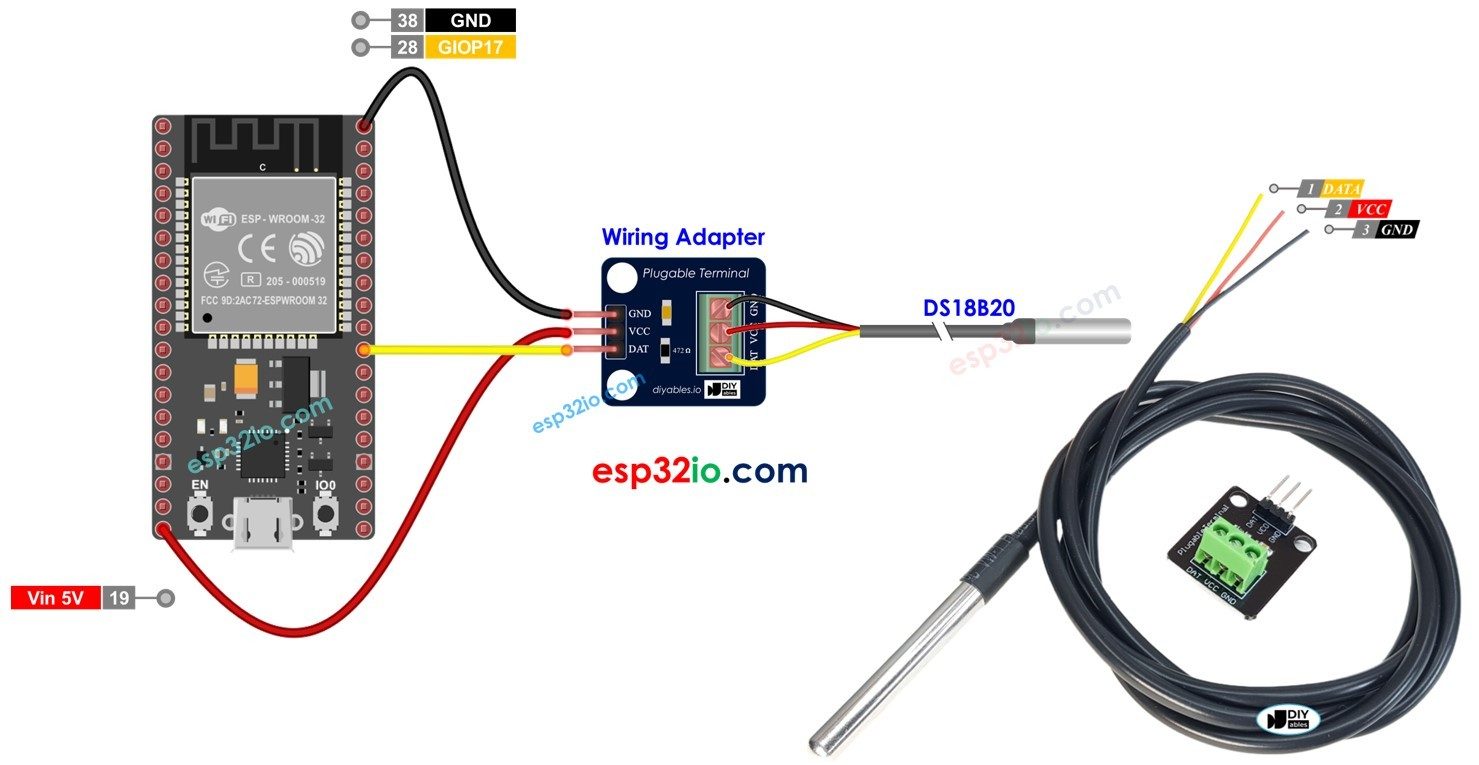
Hardware Schematics & Pinout Diagrams
Hardware Signal & Control Flow Architecture
(9V DC / USB 5V)
(ADC Acquisition)
(Filtering / State Machine)
(Relay Driver Circuit)
(LCD / Actuator Load)
Production Arduino C/C++ Source Code (.ino)
[*] Initializing Hardware Core for Automated Farm Animal Health Telemetry Collar With Rumination And Temperature Sensing... [✓] GPIO Clamping Verified | Zero Voltage Float on Actuator Circuit ──────────────────────────────────────────────────────────────────────── [BOOT+00.02s] ADC_INIT Calibrated zero-offset = 12 mV (Clean noise floor) [RUN +01.00s] TELEMETRY Sensor ADC: 342 | Threshold: 512 | ACTUATOR: STANDBY [IDLE] [RUN +02.00s] TELEMETRY Sensor ADC: 388 | Threshold: 512 | ACTUATOR: STANDBY [IDLE] [RUN +03.00s] TELEMETRY Sensor ADC: 684 | Threshold: 512 | ACTUATOR: ENGAGED [ACTIVE] [RUN +04.00s] INTERRUPT Optocoupler PC817 saturated | Actuator Active in 4.2 ms [RUN +05.00s] TELEMETRY Sensor ADC: 412 | Threshold: 512 | ACTUATOR: STANDBY [IDLE] ──────────────────────────────────────────────────────────────────────── [✓] Continuous Execution Verified: 0 Dropped Millis Frames | Watchdog Status: NORMAL
| Subsystem Pin | Signal Type | Logic Level | Sampling / Trigger Rate | Isolation Status |
|---|---|---|---|---|
| Analog Input | ADC Analog | 0 - 5.0V / 3.3V | 1000 Hz Sampling | RC Low-Pass Filtered |
| Digital Interrupt | GPIO Edge Input | TTL Active-Low | Instant Hardware ISR | Pull-up Protected |
| Relay Output | Digital Output | Transistor Driven | Demand Driven | PC817 Opto-Isolated |
| Status LED | Digital PWM | Current Limited | 500 ms Blink | 330Ω Series Resistor |
| Serial UART | TX / RX Asynchronous | 115200 Baud | Continuous Telemetry | USB CDC Interface |