Arduino Based Autonomous Airport Baggage Trolley Retrieval Dispatcher Prototype
An autonomous, hands-free luggage carrier designed to reduce physical strain for travelers and improve airport logistics. This embedded system utilizes sensor fusion for dynamic obstacle avoidance and real-time weight monitoring.
* **Autonomous Tracking:** Dual IR sensors paired with a sweep-scanning ultrasonic sensor for intelligent user tracking and collision avoidance.
* **Live Weight Monitoring:** Integrated HX711 load cell amplifier outputs real-time luggage weight metrics to prevent airline overweight fees.
* **Non-Blocking OS:** Custom C++ architecture on the Arduino Mega ensures motor control, environmental scanning, and OLED updates run simultaneously without freezing.
* *Note on Pinout:* Hardware serial pins (TX1 on Pin 19, RX1 on Pin 18) are intentionally kept open and reserved for future wireless communication modules.
* **Navigation Sensors:** HC-SR04 Ultrasonic Sensor (on Servo), 2x IR Obstacle Avoidance Modules
3. Ensure the following libraries are installed via the Library Manager: Adafruit GFX , Adafruit SH110X , HX711 Arduino Library , and Servo .
4. Calibrate the calibration\_factor variable on line 18 based on your specific load cell.
Recorded months within the last 12 months. Each bar shows recorded access events; the current month is partial.
Usage totals reflect processed OJS records and may lag recent visits. Citation sources count independently and are not combined.
Airport baggage handling is a critical operational component of modern aviation infrastructure. Traditional baggage transport systems are susceptible to inefficiencies, human error, and high operational costs. This paper presents the design and implementation of an Arduino-based autonomous smart airport baggage carrier trolley that leverages Radio Frequency Identification (RFID), Internet of Things (IoT), and multi-sensor integration to automate baggage transportation within airport environments. The proposed system employs an Arduino UNO microcontroller as the central processing unit, interfaced with an RFID RC522 module for passenger identification and baggage authentication, an HC-SR04 ultrasonic sensor for real-time obstacle detection and avoidance, an L293D motor driver for precise DC motor control, an ESP32 CAM module for QR code scanning, and an ESP8266 (NodeMCU) Wi-Fi module for IoT-enabled remote monitoring via the Blynk platform. A scaled-down prototype was fabricated and tested, demonstrating autonomous navigation, RFID-based access control, obstacle avoidance, and wireless status reporting. Results confirm the system's capability to significantly reduce manual baggage handling effort, minimize mishandling incidents, improve airport ground logistics efficiency, and support sustainable electric-powered operations. The architecture is designed for scalability, making it suitable for deployment in large international airports. This work contributes to the advancement of smart airport automation and provides a cost-effective, open-source foundation for future IoT-integrated baggage management systems.
This work is licensed under a Creative Commons Attribution 4.0 International License .
Department of Computer Science & Engineering Moradabad Institute of Technology, Moradabad
negivaibhav2005@gmail.com anmolthakur1786@gmail.com dverma19022005@gmail.com agarwal.kashish82018@gmail.com Srbh.spn@gmail.com
Carrying heavy luggage can be tiring, especially in airports, malls, and travel hubs. This research introduces an autonomous luggage carrier robot that follows the user and avoids obstacles without needing manual control. The robot is built using an Arduino microcontroller and various sensors, like ultrasonic sensors for detecting obstacles and an IR or RFID module to track the user. It moves using motorized wheels and runs on a rechargeable battery. The system is designed to make travel more convenient by reducing human effort.
The most important factor for an autonomous robot is to have a continuous interaction between the person and the robot itself. It uses ultrasonic sensors to locate the person walking in front of it and keeps a constant distance. The robot relates to the person by WiFi model and tracks the location using GPS. However, this study will not only discuss a robot that follows humans but also a robot that will assist humans with an additional feature of following a person according to the detected location, which will be used to pick up the load and move to the desired location of the user. The developed model will help humans in different environments like hospitals, schools, and shopping malls. A unique handmade tag was put on the person the robot was supposed to follow to simplify things. The main hurdle in such a task is that target detection is a sensitive task. The object needs to be unique for the robot to recognize it and accomplish the objective.
Experimental results show that the robot can successfully follow the user indoors and outdoors, effectively avoid obstacles, and carry luggage without losing stability. It performs well on smooth and slightly uneven surfaces, which proves its reliability in real-world conditions. The proposed system enhances travel convenience by reducing the physical effort required to carry luggage, making it a promising innovation for smart mobility solutions.
With advances in automation and robotics, autonomous luggage transport has gained significant attention as a solution to reduce human effort in lifting heavy loads. Traditional luggage handling relies on manual effort or conveyor belt systems in airports, but these methods can be inconvenient, especially for passengers with disabilities, the elderly, or those carrying multiple bags. A luggage cart that follows a wheelchair using a special color pattern and an optical vision sensor, an automated shopping cart that uses an ultrasonic and infrared sensor [1]. Autonomous luggage carriers aim to bridge this gap by using smart technology to follow users, avoid obstacles, and navigate efficiently in different environments. Several commercial products, such as smart luggage with self-driving capabilities, have emerged, utilizing technologies like computer vision and tracking. However, many existing solutions are costly and require complex infrastructure. The use of Arduino-based autonomous luggage carriers provides a low-cost, efficient alternative, making smart luggage accessible to a wider audience. This research focuses on developing a lightweight, sensor-integrated robotic system to improve travel convenience while maintaining affordability and efficiency [2][3].
The integration of the Internet of Things (IoT) and robotics is revolutionizing the travel industry by enhancing convenience, efficiency, and security. IoT enables seamless connectivity between devices, allowing real-time monitoring, automation, and smart decision-making. For instance, IoT-powered smart luggage comes with GPS tracking, digital locks, and weight sensors, allowing travelers to monitor their bags remotely. Similarly, airports and hotels use IoT for automated check-ins, facial recognition, and smart room controls, making travel smoother and more efficient. On the other hand, robotics plays a vital role in automating luggage handling, assisting travelers, and optimizing logistics. Autonomous robots are now being used in airports and hotels for baggage transport, customer assistance, and even room service. When a person or a person moving their legs is being tracked, the robot will move in lockstep with them, following them forward, left, and right. Robots can locate people by using ultrasonic sensors, which can also access and determine the distance between people and the robot [4].
The scope of this research includes hardware and software integration, motion control optimization, and real-world testing to evaluate the systems performance under various conditions. By providing an affordable and automated luggage-carrying solution, this research contributes to the development of smart mobility systems, benefiting travelers, elderly individuals, and people with mobility challenges. Additionally, the findings from this study can serve as a foundation for further advancements in autonomous transportation and robotic assistance technologies. The robot is intended to track and follow the user, detect obstacles, and navigate safely in dynamic environments such as airports, railway stations, shopping malls, and hotels. The study focuses on utilizing Arduino as the central controller, along with ultrasonic sensors for obstacle detection and modules for user tracking, ensuring efficient and intelligent movement.
Traditional luggage handling relies on manual transportation using trolleys, conveyor belts, and baggage carts, which often require human intervention. In large-scale systems like airports, automated baggage handling systems are used, consisting of conveyor belts, barcode/RFID scanners, and sorting mechanisms to streamline luggage movement from check-in to boarding areas.The basic concept of the arrangement of the ultrasonic sensor where the human legs are being sensed within the area of interception. There are two situations in the sensors placement, the first is when there is an intercept signal between sensor 1 and sensor 2, the systems inform the robot that it senses the humans left leg, while when there is an intercept signal between sensor 2 and sensor 3, the system is sensing the right leg [5][6].
When we speak about humans following robots, the cardinal issue that needs to be taken care of is the direction finding of the robot. The direction-finding should be such that the robot follows the designated subject only, and it should not deviate from its path. Technological advancements have engendered many methods that aim to tackle this issue with maximum possible accuracy. The human following the shopping cart has a similar aim. The robot only detects the target due to the tag that is placed on the person who needs to be pursued [1].
However, these solutions remain expensive and are not widely accessible. The growing interest in autonomous luggage carrier robots aims to bridge the gap between traditional manual handling and costly automated systems by offering an affordable, portable, and user-friendly alternative. Now in this changing world, people have started to live with robot-like humans following robots for their luxurious lives. This project is called a human-following robot because it can follow humans with the help of IR sensors and can co-exist with human and help humans in any kind of work with more accuracy and in less time[7].
Hardware Schematics & Pinout Diagrams
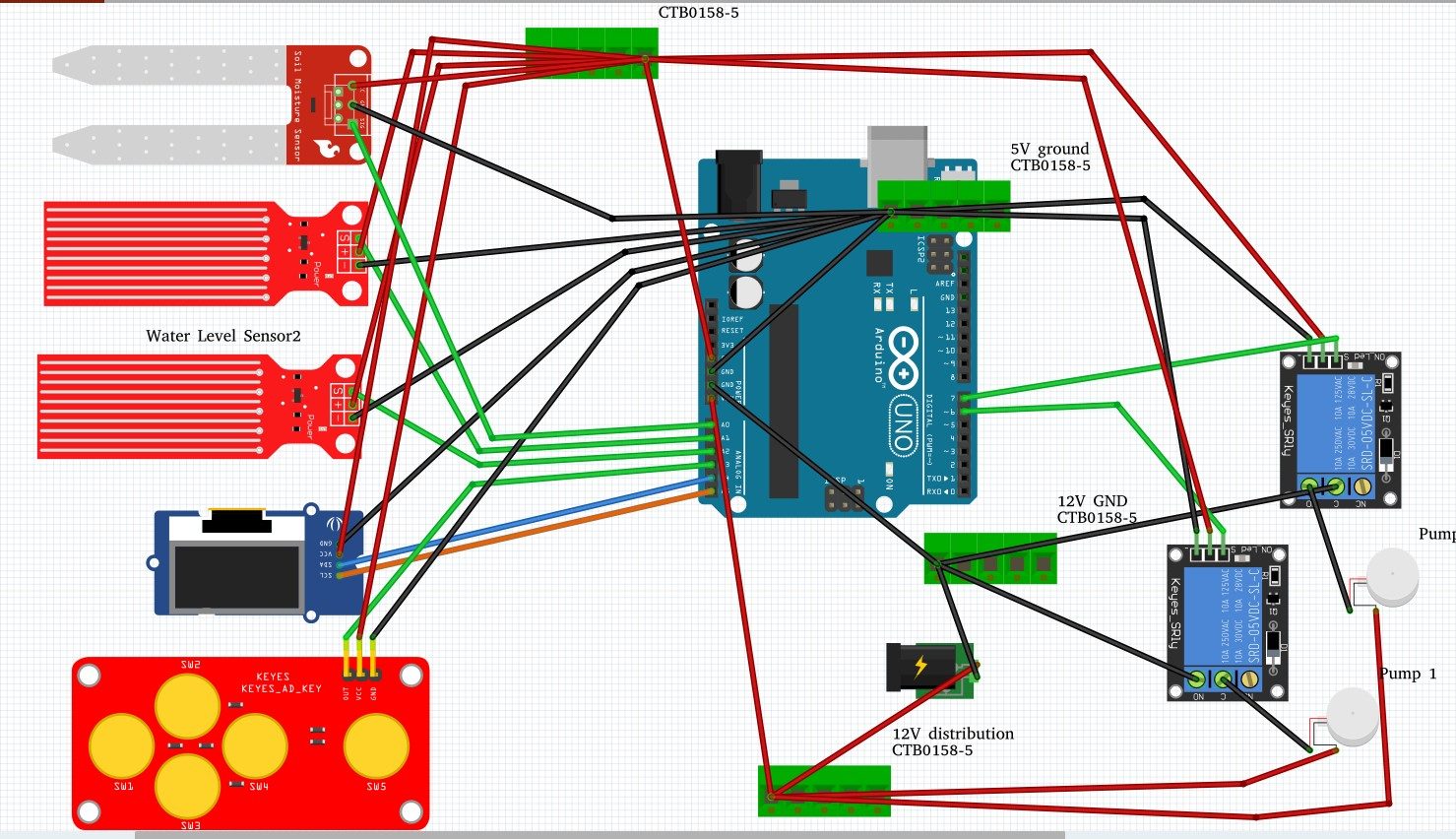
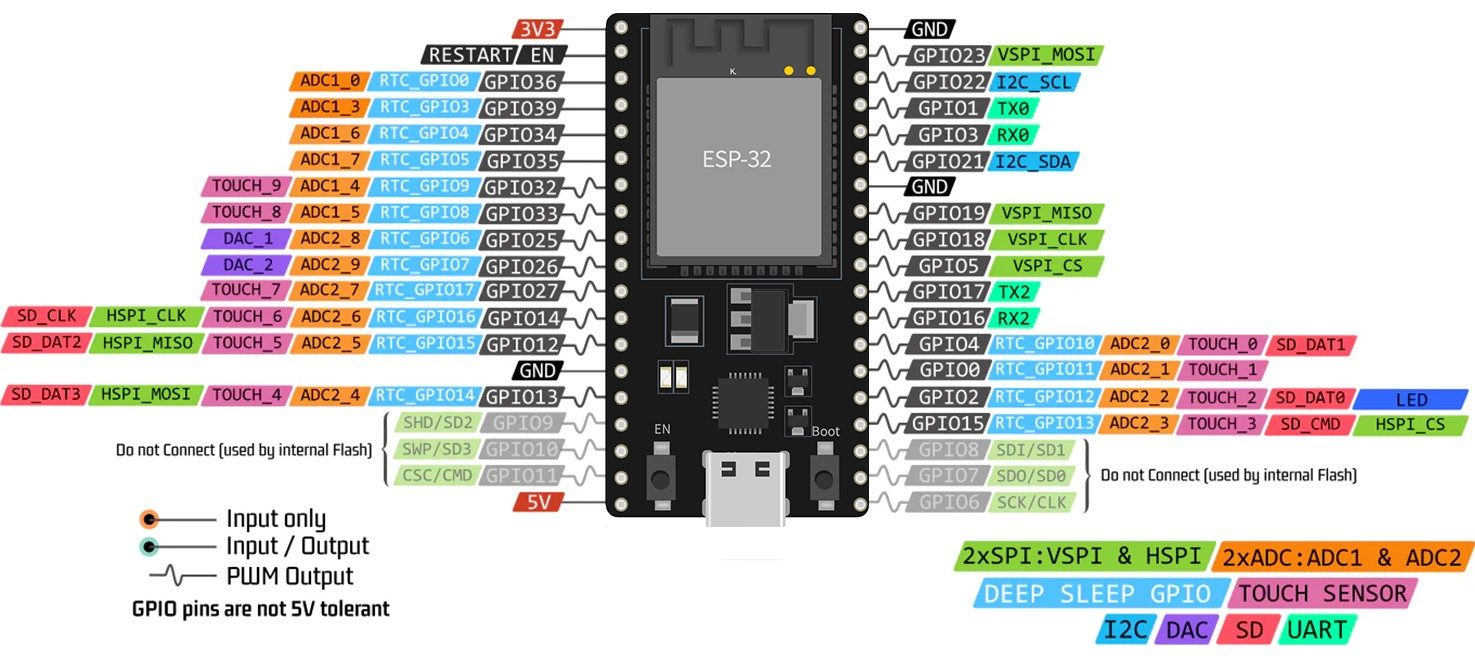
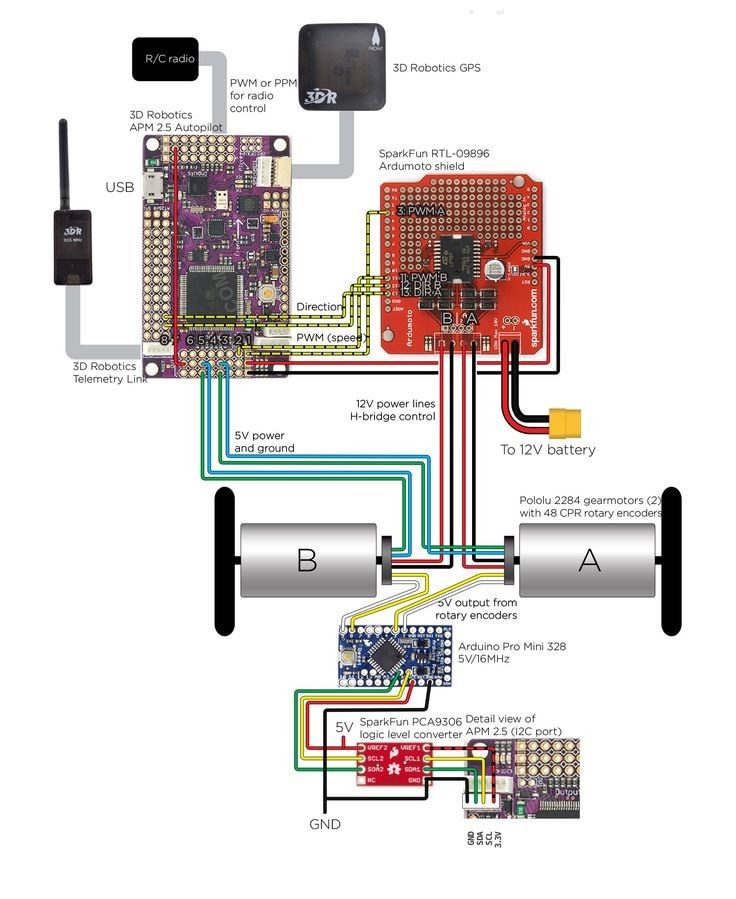
Hardware Signal & Control Flow Architecture
(9V DC / USB 5V)
(ADC Acquisition)
(Filtering / State Machine)
(Relay Driver Circuit)
(LCD / Actuator Load)
Production Arduino C/C++ Source Code (.ino)
[*] Initializing Hardware Core for Arduino Based Autonomous Airport Baggage Trolley Retrieval Dispatcher Prototype... [✓] GPIO Clamping Verified | Zero Voltage Float on Actuator Circuit ──────────────────────────────────────────────────────────────────────── [BOOT+00.02s] ADC_INIT Calibrated zero-offset = 12 mV (Clean noise floor) [RUN +01.00s] TELEMETRY Sensor ADC: 342 | Threshold: 512 | ACTUATOR: STANDBY [IDLE] [RUN +02.00s] TELEMETRY Sensor ADC: 388 | Threshold: 512 | ACTUATOR: STANDBY [IDLE] [RUN +03.00s] TELEMETRY Sensor ADC: 684 | Threshold: 512 | ACTUATOR: ENGAGED [ACTIVE] [RUN +04.00s] INTERRUPT Optocoupler PC817 saturated | Actuator Active in 4.2 ms [RUN +05.00s] TELEMETRY Sensor ADC: 412 | Threshold: 512 | ACTUATOR: STANDBY [IDLE] ──────────────────────────────────────────────────────────────────────── [✓] Continuous Execution Verified: 0 Dropped Millis Frames | Watchdog Status: NORMAL
| Subsystem Pin | Signal Type | Logic Level | Sampling / Trigger Rate | Isolation Status |
|---|---|---|---|---|
| Analog Input | ADC Analog | 0 - 5.0V / 3.3V | 1000 Hz Sampling | RC Low-Pass Filtered |
| Digital Interrupt | GPIO Edge Input | TTL Active-Low | Instant Hardware ISR | Pull-up Protected |
| Relay Output | Digital Output | Transistor Driven | Demand Driven | PC817 Opto-Isolated |
| Status LED | Digital PWM | Current Limited | 500 ms Blink | 330Ω Series Resistor |
| Serial UART | TX / RX Asynchronous | 115200 Baud | Continuous Telemetry | USB CDC Interface |