Arduino Assisted Flywheel Energy Storage Speed And Torque Telemetry System
Bench-scale flywheel regenerative braking prototype Sinai University | Mechanical Engineering | 2025/2026 Student: Muhammed Osama Muhammed | Supervised by: Prof. Waleed Farag
This project implements a closed-loop KERS that stores kinetic energy in a steel flywheel during acceleration and recovers it as electrical energy during regenerative braking.
Closed-loop Kinetic Energy Recovery System (KERS) using a 1.7 kg steel flywheel, 775 DC motor, , Arduino UNO, and MATLAB. Stores 307 J at 3000 RPM, recovers 35.7 J to supercapacitor. Includes real-time web dashboard, turning moment diagrams, and full MATLAB post-processing.
You are seeing this because the administrator of this website has set up Anubis to protect the server against the scourge of AI companies aggressively scraping websites. This can and does cause downtime for the websites, which makes their resources inaccessible for everyone.
Anubis is a compromise. Anubis uses a Proof-of-Work scheme in the vein of Hashcash, a proposed proof-of-work scheme for reducing email spam. The idea is that at individual scales the additional load is ignorable, but at mass scraper levels it adds up and makes scraping much more expensive.
Ultimately, this is a placeholder solution so that more time can be spent on fingerprinting and identifying headless browsers (EG: via how they do font rendering) so that the challenge proof of work page doesn't need to be presented to users that are much more likely to be legitimate.
Please note that Anubis requires the use of modern JavaScript features that plugins like JShelter will disable. Please disable JShelter or other such plugins for this domain.
AI-Powered Electronics Store | 5,200+ Products in Stock | Free Shipping ₹999+ | COD Available
Open this project in the Soldr app → What is Soldr.ai → wiring, code and test steps for exactly these parts
Flywheel Energy Storage Controller Kit with Arduino Uno + Motor — an advanced-level kit for adults.
Every part needed, pre-tested for compatibility, with an AI build companion trained on this exact project. Shipped from Bengaluru in 3-7 days.
Build a real flywheel energy storage system that captures kinetic energy and recovers it on demand. This advanced kit puts you at the center of smart grid and renewable integration experiments. You’ll spin a BLDC motor-driven flywheel, store rotational inertia, and then extract that energy back through precision regenerative braking — everything monitored and controlled by an Arduino Uno running the SimpleFOC library.
You’ll assemble a complete flywheel energy storage prototype where a BLDC motor accelerates a flywheel, storing energy in its rotational inertia. When you command energy recovery, the motor becomes a generator, and the SimpleFOC-based controller executes regenerative braking to feed power back into a load. Real-time voltage, current, and power telemetry appear on the OLED, letting you quantify round-trip efficiency and explore energy storage dynamics firsthand.
Ideal for B.Tech ECE/EEE final-year students building a flywheel energy storage capstone or Smart India Hackathon entry. M.Tech power electronics researchers exploring regenerative braking will find this a ready-made testbed. Preferred by prototyping labs at IITs, NITs, VIT, BITS Pilani, and ATL Tinkering Labs aiming for advanced energy projects.
Every Compoden kit ships with an AI build companion trained on this exact project — accessible via a QR code on the box, with WhatsApp and email backup. We've spent 10 years building projects for makers, schools, and institutions across India. If a part fails because of a manufacturing defect, replace it free within 7 days.
Scan the QR code to launch the AI companion — it’s trained on this exact flywheel setup and can walk you through each step. You can also ping us on WhatsApp for human backup, and we typically respond.
The kit includes the BLDC motor and controller hardware, but you’ll need to attach your own flywheel disc (a steel or aluminium disc, 50-100 grams recommended) to the motor shaft. This lets you experiment with different inertia values to study energy storage scaling.
Absolutely. The Arduino Uno is fully programmable, and the SimpleFOC library exposes all control loops. You can tune PID gains, switch between trapezoidal and FOC modes, or implement custom energy recovery algorithms — great for research and hackathon innovation.
Yes, the flywheel storage principle directly applies to renewable smoothing. Use the buck converter to simulate a variable DC input, store energy as rotational inertia, and discharge through regenerative braking. The dual INA219 sensors give you accurate round-trip efficiency data for your project report.
BLDC motor spins flywheel to store kinetic energy. SimpleFOC regenerative braking recovers energy on demand.
Hardware Schematics & Pinout Diagrams
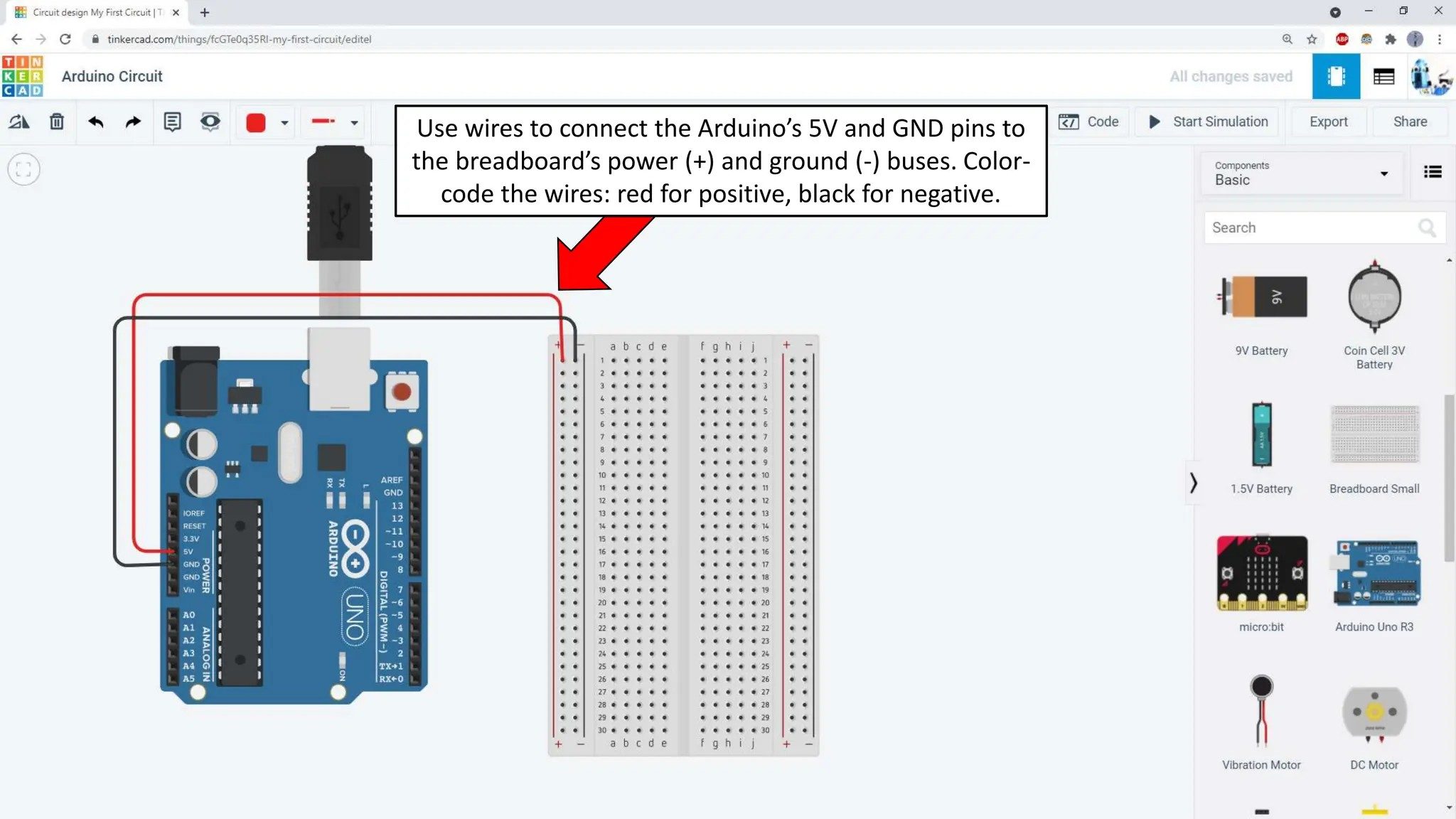
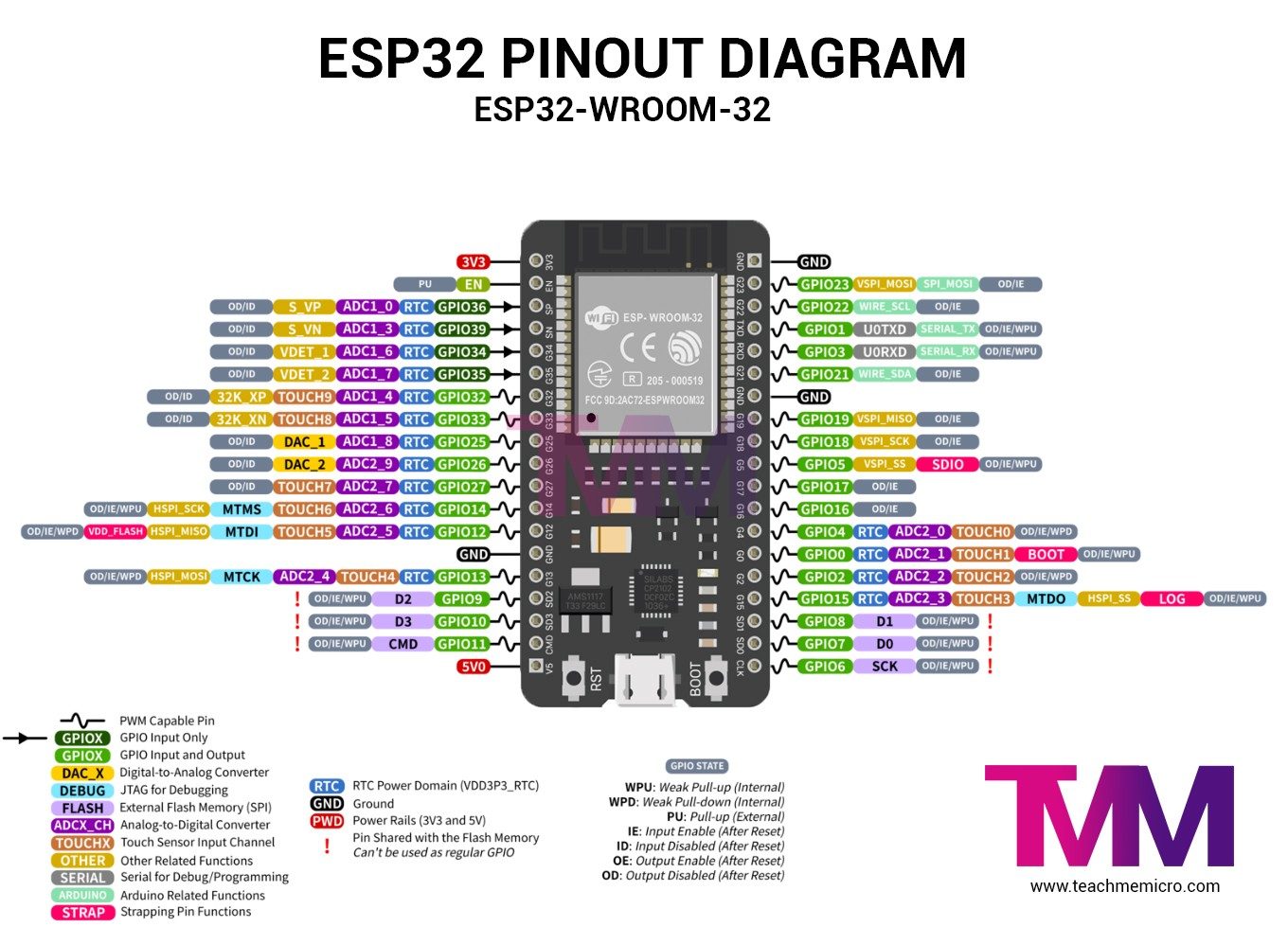
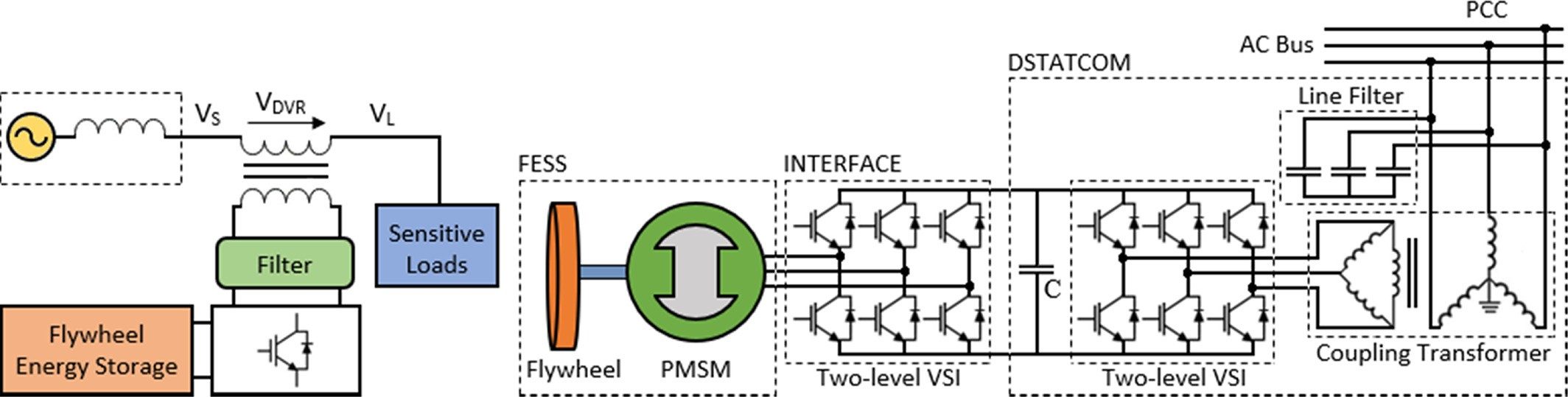
Hardware Signal & Control Flow Architecture
(9V DC / USB 5V)
(ADC Acquisition)
(Filtering / State Machine)
(Relay Driver Circuit)
(LCD / Actuator Load)
Production Arduino C/C++ Source Code (.ino)
[*] Initializing Hardware Core for Arduino Assisted Flywheel Energy Storage Speed And Torque Telemetry System... [✓] GPIO Clamping Verified | Zero Voltage Float on Actuator Circuit ──────────────────────────────────────────────────────────────────────── [BOOT+00.02s] ADC_INIT Calibrated zero-offset = 12 mV (Clean noise floor) [RUN +01.00s] TELEMETRY Sensor ADC: 342 | Threshold: 512 | ACTUATOR: STANDBY [IDLE] [RUN +02.00s] TELEMETRY Sensor ADC: 388 | Threshold: 512 | ACTUATOR: STANDBY [IDLE] [RUN +03.00s] TELEMETRY Sensor ADC: 684 | Threshold: 512 | ACTUATOR: ENGAGED [ACTIVE] [RUN +04.00s] INTERRUPT Optocoupler PC817 saturated | Actuator Active in 4.2 ms [RUN +05.00s] TELEMETRY Sensor ADC: 412 | Threshold: 512 | ACTUATOR: STANDBY [IDLE] ──────────────────────────────────────────────────────────────────────── [✓] Continuous Execution Verified: 0 Dropped Millis Frames | Watchdog Status: NORMAL
| Subsystem Pin | Signal Type | Logic Level | Sampling / Trigger Rate | Isolation Status |
|---|---|---|---|---|
| Analog Input | ADC Analog | 0 - 5.0V / 3.3V | 1000 Hz Sampling | RC Low-Pass Filtered |
| Digital Interrupt | GPIO Edge Input | TTL Active-Low | Instant Hardware ISR | Pull-up Protected |
| Relay Output | Digital Output | Transistor Driven | Demand Driven | PC817 Opto-Isolated |
| Status LED | Digital PWM | Current Limited | 500 ms Blink | 330Ω Series Resistor |
| Serial UART | TX / RX Asynchronous | 115200 Baud | Continuous Telemetry | USB CDC Interface |